

Lean Management & Performance Improvement
Improve flow. Build the routines. Sustain the gains.
Many industrial plants have run improvement events before — the challenge is rarely finding waste once, it’s building the management routines that keep performance improving after the project team leaves.
ALTIX helps industrial operations improve flow, productivity, and problem-solving at the plant or value-stream level — and build the routines that make the gains stick.
Executive Perspective
The first improvement is easy. The tenth requires a system.
Industrial leaders typically know where performance is falling short — the harder challenge is building the structured problem-solving, management routines, and daily discipline that turn one improvement into a continuous capability.
Lean initiatives that rely on a single event or outside team tend to produce a short-term spike in performance that fades once attention moves elsewhere.
Lasting performance improvement comes from embedding lean principles into how a plant is managed every day, not from a periodic improvement program.
Common challenges
How ALTIX Helps

Performance Diagnostic
- Value-stream and flow analysis
- Productivity and capacity assessment
- Root-cause problem identification
- Performance baseline development
Lean Deployment
- Lean tools and methods deployment
- Standard work design
- Visual management implementation
- Structured problem-solving rollout
Management Routines
- Daily management system design
- Leader standard work
- Tiered performance review cadence
- Front-line engagement practices
Sustainment
- Capability building for plant leaders
- Sustainment audit and coaching
- Performance tracking after handover
- Leader-led continuous improvement
Featured content
Selected perspectives, interviews and solutions relevant to your priorities. Explore how industry leaders and ALTIX experts approach the challenges shaping industrial transformation.
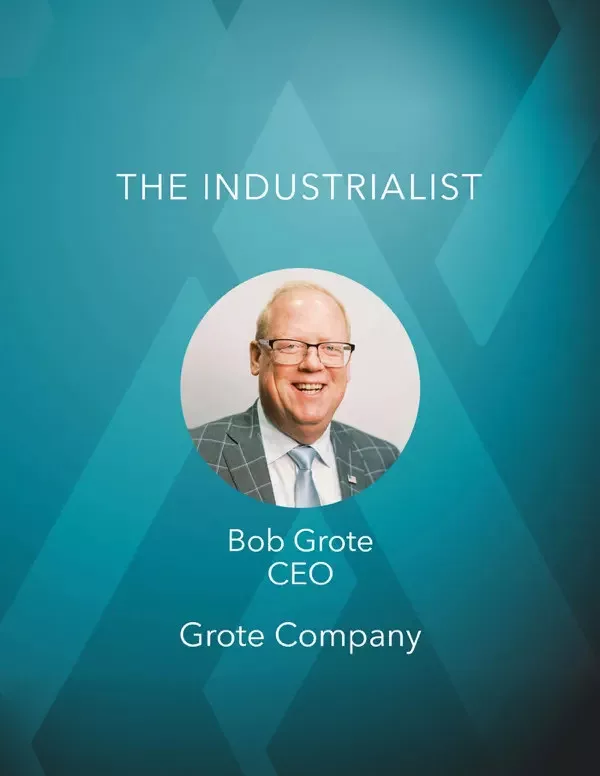
Can Love Make You a Better CEO? Bob Grote Thinks So. A Conversation with Bob Grote, CEO of Grote Company
Listen now
Frequently Asked Questions
What is lean management, and how does it apply to industrial operations?
Lean management is a way of running operations that defines value from the customer’s point of view and systematically removes the seven wastes: overproduction, waiting, transportation, over-processing, inventory, motion and defects. In a plant, that means standard work written down and owned by the people who do it, visible flow and pull, and problems solved at the line on the day they occur. Lean is a management discipline more than a toolkit. Mature versions become a business operating system, like the Toyota Production System or the Danaher Business System. We call this layer the lean backbone, and every later investment in automation or AI stands on it.
What are the warning signs that a plant needs a performance improvement program?
Common warning signs are falling productivity or output with stable staffing and equipment, quality problems that return after corrective action, different results between shifts or lines doing the same work, and more time spent firefighting than solving problems. Rising overtime and expediting costs without more output is another reliable indicator, as is low or unstable OEE (overall equipment effectiveness). These symptoms usually point to gaps in flow, standard work or daily management rather than one root cause. A short, focused diagnostic of two to three weeks is usually enough to find the three biggest opportunities.
Why do lean transformations fail to deliver lasting results?
Lean transformations usually fail for leadership reasons, not tool reasons. The typical patterns are: leadership is highly visible at kickoff and then disappears; the program is staffed with whoever could be spared, on top of full day jobs; incentives still reward the old way of working; and dashboards show green while the floor tells a different story. Tools such as 5S or kaizen events produce quick gains that fade within months unless leaders reinforce the new standards through daily and weekly routines. ALTIX designs lean programs around leadership behavior and management routines, and trains client teams by having them run the work.
What role do daily management and management routines play in sustaining gains?
Daily management turns improvement tools into lasting behavior. Typical elements are short shift meetings at a visual board tracking safety, quality, delivery and cost (SQDC), structured problem solving, leaders walking the floor (gemba), and a fixed weekly leadership review of the same facts. The routine makes performance visible in real time and creates accountability for fixing deviations before they grow. Consistency matters more than sophistication: same board, same questions, same time, every week. For an automotive supplier, ALTIX trained dozens of frontline leaders and engineers in SQDC-based daily management.
How do you measure the impact of a lean or performance improvement program?
Measure it with the operational indicators the program was meant to move, such as productivity, OEE, cycle time, first-pass yield or downtime, against a baseline set before work begins. Then convert them into three financial ledgers: EBITDA, cash and service. Financial claims should come from those operational results, never estimated separately. Savings should be counted once, and banked cash reported separately from run-rate and forecast. Programs that report “initiatives completed” instead of sustained operational results almost always overstate their impact.
Let's discuss your priorities.
ALTIX works alongside industrial leaders to turn strategy into results that create lasting value.