

At ALTIX Consulting, we are deeply committed to fostering community engagement and advancing STEM education. By supporting Spectrum Empowerment, a youth-led nonprofit dedicated to empowering children on the autism spectrum through STEM activities and social skill development, we aim to create opportunities for inclusivity and innovation. Hosting Spectrum Empowerment’s monthly meetings is one way we can contribute to building a supportive environment where every individual’s unique talent can thrive. We believe that nurturing diverse talents in STEM not only enriches our communities but also inspires the next generation of leaders and innovators in advanced manufacturing and technology.
In this article, we share the inspiring journey of Advay and his family, highlighting how embracing autism as a unique perspective, rather than a limitation, can unlock incredible potential. Through their experiences, we see the transformative power of creating inclusive environments that nurture individual strengths and foster confidence. Advay’s achievements, supported by Spectrum Empowerment’s STEAM initiatives, demonstrate how structured programs can empower children on the autism spectrum to thrive socially, academically, and creatively.
Ramesh Chandra, Partner Supply Chain at ALTIX Consulting and Advay’s father, joins us to share his insights and experiences in this inspiring interview.
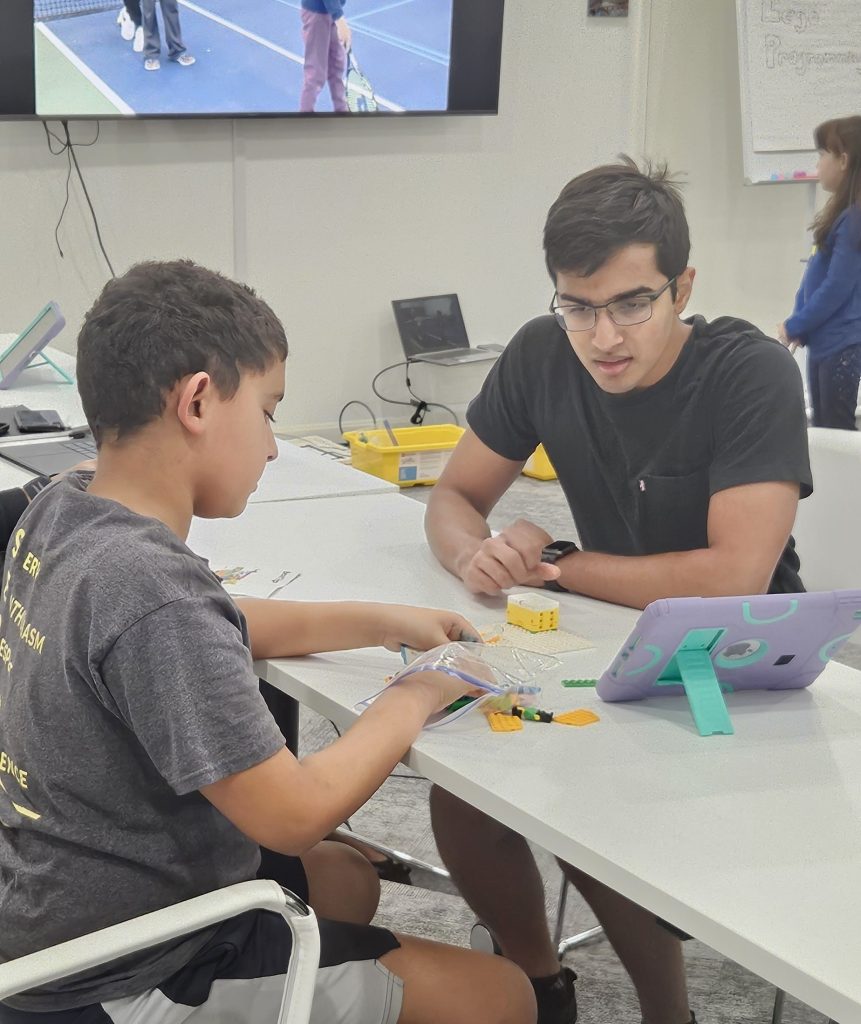
Ramesh, could you tell us a bit about your journey with your son Advay and how his experience on the autism spectrum has shaped your perspective both personally and professionally?
Thanks for asking.
My son, Advay, was formally diagnosed as being on the autism spectrum when he was four. Learning about this for the first time triggered a range of emotions. On the one hand, there was the natural feeling of dread; as parents, we were confronted with a new set of realities that we had to prepare ourselves for. It felt like stepping into unchartered territory without a playbook, nor the skills or tools to navigate through it. On the other hand, there was also sense of relief as well that we finally had an early clinical diagnosis of his condition, since over 25% of autism cases in the US remain undiagnosed, and a feeling of optimism that we could do something about it.
As parents, we’ve had to reset our expectations and rework our priorities to ensure that Advay received the necessary support and interventions at school and beyond to succeed. Professionally, I started viewing the workplace through the lens of people with challenges and disabilities. I’ve learned to be more sensitive to the human dimension of the workforce and have striven to cultivate patience and empathy while engaging with people. While we’ve made significant progress as a society in terms of accommodating people with physical disabilities, we still have a long way to go in terms of creating a welcoming, safe and inclusive environment for people with autism. This is especially relevant when you consider that over 2.8% of 8-year-old kids are on the autistic spectrum – that is a lot of potential out there that just needs the right kind of support to thrive.
As a supply chain expert and consultant, you’re used to solving complex problems. Have you found any parallels between the problem-solving skills you use in your work and your approach to supporting Advay’s development?
As an engineer and consultant, my initial attempts at dealing with the situation was to try to “fix the problem” logically. Since autism is a condition that does not have a “cure” as such, we first tried to identify and address “weaknesses” through therapy – communication, social skills, speech therapy, physical therapy, occupational therapy, etc. However, we realized over time that we were looking at the problem from the wrong perspective all the while. In our pursuit of remolding Advay into conventional expectations of what society considers normal, we had inadvertently overlooked honing his many strengths – superior cognitive ability, natural curiosity and aptitude for deep thinking, musical skills, analytical mindset, ability to see the world differently, superior memory and gift of being able to “connect the dots”, unfiltered honesty and integrity, and unique sense of humor.
Our approach has now changed to providing him a more nurturing environment where he could develop and exploit his natural gifts, rather than try to change him to “fit in.” We’re instead focusing now on helping him reinforce self-confidence and develop coping skills to deal with everyday challenges.
Spectrum Empowerment is an incredible initiative. How did you first get involved with it, and what impact have you seen on the children?
As I immersed myself into Advay’s world, I realized a few things right away:
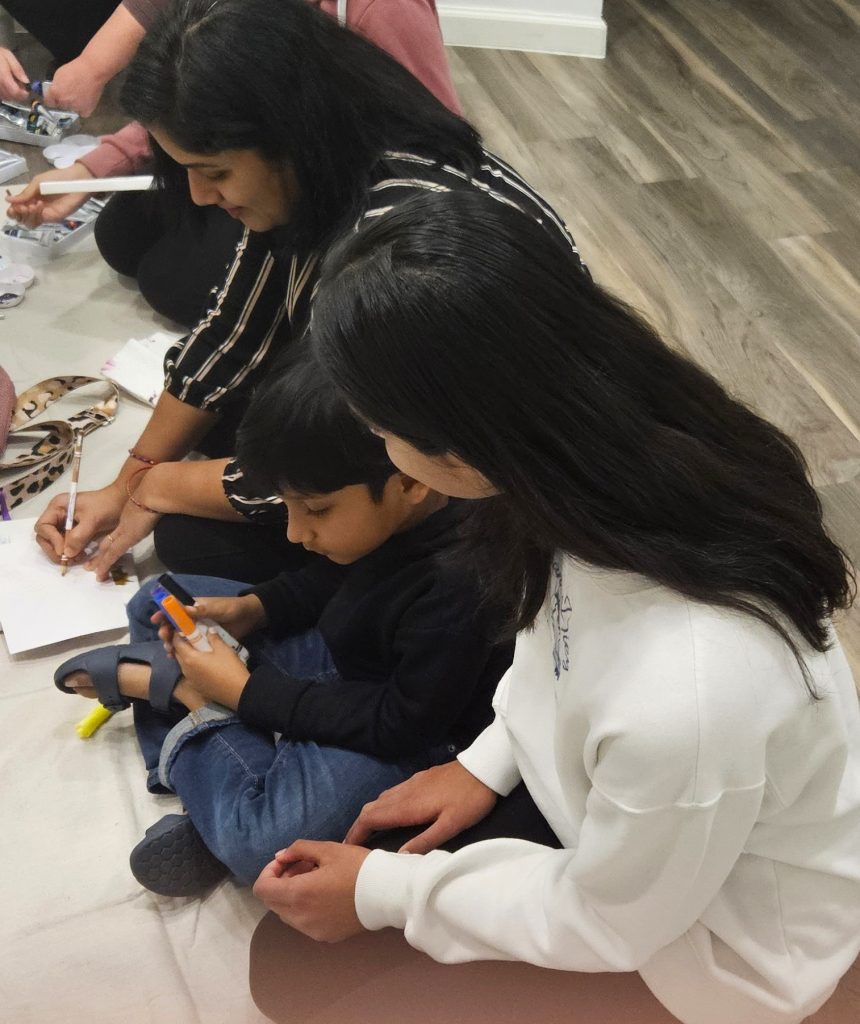
Firstly, the world of a kid with autism is lonely, and the social isolation, and even harassment that these kids face at school and outside could be brutal. These kids face explicit or implied rejection or apathy by the general society pretty much most of their lives. As a result, people on the spectrum are especially vulnerable.
Secondly, there is an acute lack of awareness of autism. As his parents, we’ve tried to learn more about the condition, but we realized that the majority of people are still unaware of what autism is, and more importantly what they could do if they encounter someone on the spectrum. Then there are also many common myths about autism, like autistic people don’t feel empathy or emotions or that they are not interested in having friends or that they are cognitively delayed.
Thirdly, most kids on the spectrum can succeed and even thrive in school and work with accommodations. Advay is an example of a kid who is an extrovert, academically gifted, goes to a regular school, and is into many activities – he plays the viola and piano, is an Eagle Scout, swims with his high school varsity team and the Mason Manta Rays, is a member of the Mason High School National Honors Society, and volunteers for many causes like education, food security, environmental conservation, etc. He dreams of doing great things in life and changing the world for the better. He is representative of what many kids on the spectrum are like, and could do, if they were provided with the right environment and support.
This brings me to the question of our involvement with Spectrum Empowerment, which was due to a convergence of factors. When Advay heard about his diagnosis for the first time a few years ago, he had a deep desire to do something about it. He was toying with the idea of advocating for autism awareness, when he was approached by Harshita Ganga, a classmate who had a similar idea to start an organization to promote autism inclusion through STEM activities. This eventually led to the creation of Spectrum Empowerment, which has considerably grown in scale and scope over the last couple of years. As I saw how deeply involved Advay had become with this organization, and having witnessed the real impact of their work on our community, I saw the immense potential of this organization – from providing a rare and unique platform to these kids allowing them the chance to cultivate a STEM-based mindset to giving them a safe space to laugh and enjoy being among other kids. After a year of being involved with Spectrum, I must say supporting this initiative and investing time to make a difference to the lives of these really vibrant kids, has been amongst the most gratifying things that I’ve ever done in my life.
STEM is a cornerstone for industrial leaders. How do you see Spectrum Empowerment’s STEAM activities contributing to fostering future leaders and innovators?
We’re at the cusp of an exciting era, where advanced technologies like AI and robotics would transform the world of people on the spectrum through better diagnostics and individualized interventions. I see STEAM activities like those conducted by Spectrum Empowerment foster development of future leaders and innovators in a couple of ways:
Firstly, it gives a chance to develop a scientific and engineering mindset of problem solving in a fun, tension-free environment. This is especially relevant for kids on the spectrum, many of whom have natural aptitude for math, science and art, and would otherwise not have the opportunity to explore and validate their natural gifts. It gives them hope that they could proactively “author their own life scripts.”
Secondly, it is a training ground for the next generation of leaders. By volunteering at Spectrum STEAM events, student-volunteers get a first-hand experience at the lives of people on the spectrum, a chance that they may not have otherwise. Through these activities they have a chance to demonstrate and develop patience, empathy, kindness and motivation to make a positive difference to society, including driving more awareness and innovating solutions to build a more inclusive society.
ALTIX is proud to host Spectrum Empowerment’s monthly meetings. How important is it for the business community to support initiatives like Spectrum Empowerment?
We would like to thank ALTIX for their generosity and sponsorship of our activities!
We would welcome support from the business community as it would make a huge difference to the quality and sustainability of programs. We’ve already demonstrated that the work we do has had a huge direct impact on families in our community – those that have kids on the spectrum and those of our tireless student and adult volunteers who have dedicated time and effort to this cause. As we look to the business community to help, I can think of a few ways in which they could enable us to dream of bigger things:
By driving awareness within your firms and amongst your partners, by spreading the word about autism inclusion and involvement in our activities. We could support with the messaging and conducting autism information and sensitivity sessions.
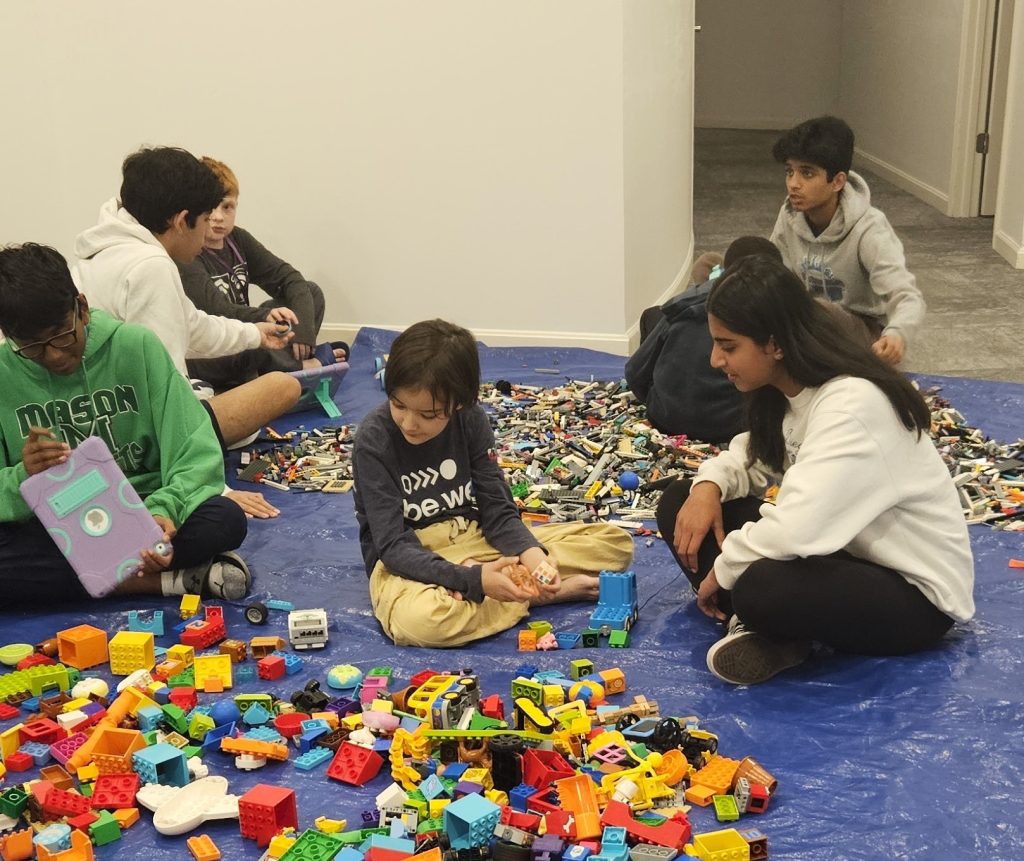
By providing a more permanent, safe space where we could conduct activities. This would ensure predictability and consistency in the environment we could provide for our kiddos. For instance, we’ve had ALTIX and Atomic Robot donate their office space to conduct STEM and First Lego League (FLL) robotics events, which has made a huge difference to our ability to plan and effectively orchestrate these events.
By supporting autism inclusion with grants, scholarships, sponsorships or supporting donation drives (money, supplies, resources, donation-match, etc.) to help us cover our costs. As a student-run non-profit organization, pretty much all funding is directly applied to our initiatives, and the scale and scope of our activities is limited primarily by funds.
By providing kids with autism experiential learning opportunities at their firms, through internships or shadow days. Also, we’ve learned that there is a general bias against hiring people on the spectrum. We think that many companies may not realize that they are missing out on an opportunity to develop and attract a hidden and hard-working talent-pool by avoiding hiring people on the spectrum.
What message or advice would you like to share with other parents or professionals about the importance of inclusivity in STEM and in building a supportive environment for children with special needs?
Autistic people see the world through different perspectives, and many of them are gifted in unique ways. From personal experience, I would advise parents of kids with autism to not treat autism as a “flaw” that needs to be fixed and instead think of their kids as wonderful human beings who have so much to contribute. As parents, our jobs are uniquely challenging, but at the fundamental level not very different from those of “normal” kids, which is to provide a nurturing environment where the kids could feel safe, welcome, confident, enjoy their childhood, and be the best versions of themselves. For parents of kids who are not on the spectrum, I would like to encourage you to include kids with autism in your kids’ activities circle. Invite them to parties, allow your child to hang out with them, sensitize them to be kind to kids with disabilities. Over the long-term, this would enrich and make a positive difference to the lives of both kids.
However, the challenges associated with inclusivity are very real – deep-rooted prejudices, misinformation, and apathy amongst the general public are, in my opinion, the main difference between a kid with autism being successful in life and career vs. not being able to realize their full potential. As with everything else, change starts with a desire to change and an acknowledgement of the need to change our mindsets. Through our autism journey, we’ve also discovered wonderful resources and kind people working on making a difference to the lives of people with autism. However, much more needs to be done to mainstream these marginalized bright kids.
About Spectrum Empowerment:

Spectrum Empowerment is a nonprofit organization located primarily in Ohio run by high school students with the goal of exposing children on the autism spectrum and other special needs to the various aspects of STEAM and gross motor skills through live structured classes and presenting them with an opportunity to develop stronger social skills. Our mission is to empower individuals on the Autism Spectrum, fostering their unique talents and abilities while promoting inclusivity and raising awareness. To learn more, visit www.spectrumempowerment.org.


