
ALTIX INDUSTRY CHAMPION INTERVIEW
Each quarter we sit down with industry executives and thought leaders to discuss the trends, challenges, and best practices that are transforming their businesses.
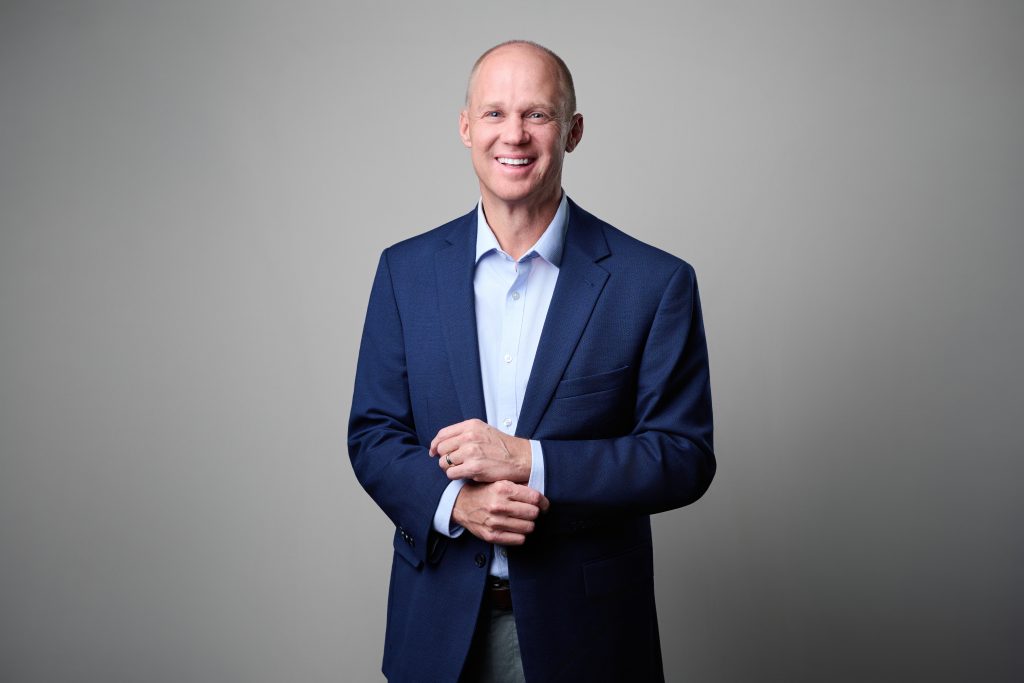
Today we are joined by Justin Hanks, CEO Washing Systems, a Kao Group Company.
About Our Industry Champion
Justin, congratulations on your recent appointment as CEO of Washing Systems. For our readers, can you share a bit about your career journey and what experiences have most influenced your leadership style today?
Thank you. A quick overview on my background — I grew up in the Cincinnati area and still live nearby in Northern Kentucky. I earned my undergraduate degree in Chemical Engineering from the University of Dayton, and my first role was with a Philadelphia-based specialty chemical company called Rohm and Haas.
I started my career on the West Coast, in Southern California, working in manufacturing and process engineering — really focused on plant improvement projects. I spent about five years there, got married (my wife is also from the Cincinnati area), and we decided we wanted to get closer to home. That led me to relocate with Rohm and Haas to the Chicago area, continuing in technical management roles in manufacturing.
While I was in Chicago, Dow acquired Rohm and Haas, and I continued on with Dow for several years after that. During that time, I earned my MBA in Finance from DePaul University, and that really sparked my passion for the business side of the chemical industry. I wanted to move beyond manufacturing into more commercial and strategic roles.
I transitioned into supply chain planning within Dow’s Agricultural Sciences business, which took us to Indianapolis in 2010. From there, I advanced through a number of global leadership positions — from supply chain and operations into commercial leadership — ultimately managing a $150 million global business for Dow across Japan, Europe, and the United States.
When Dow and DuPont merged and later split into three separate companies, I helped prepare the business I was leading for divestiture. That became a natural exit point for me. My wife and I decided it was time to return home to Cincinnati, which we did in 2017.
Through networking, I learned about Washing Systems and Kao Corporation, who were looking for a Vice President of Operations. I joined in that role in 2021, and earlier this year, when my predecessor retired and moved into an Executive Chairman position, I stepped into the CEO role for Washing Systems.
About Washing Systems
For those who may not be familiar with Washing Systems, can you tell us more about the company, the industries you serve, and some of the key applications of your products?
Sure. Washing Systems, or WSI, was founded in 1989 by a group of former Procter & Gamble employees who saw an opportunity to provide specialty chemical products to the industrial rental uniform industry. They launched the business to serve that niche and grew it steadily over the years. It remained family-owned and privately run for quite some time before expanding into new areas.
Today, our business really stands on three main pillars. The first is our core — developing innovative, sustainable formulations for the commercial laundry industry. Think about rental uniforms, table linens, hotel towels, and other high-volume garment processing operations.
The second part of our business focuses on personal care and facility hygiene products — things like hand soaps, sanitizers, and hard-surface cleaners for industrial environments. And the third leg of our stool is wastewater treatment chemistry. We help industrial laundries clean and treat their used water so it can be safely returned to municipalities in a cleaner form.
Across all three areas, we’re very focused on sustainability and innovation — technologies that reduce time, energy, and water consumption for our customers. That’s where we’ve made a lot of progress and built our reputation. Just as important, we pair that with exceptional service. We have a significant field presence out every day, working side by side with our customers to troubleshoot, improve efficiency, and make their operations safer and more sustainable.
At the end of the day, we see ourselves as an enabler of our customers’ success — helping them run better, cleaner, and more efficiently.
Washing Systems is part of the Kao Corporation. Can you tell us more about your parent company based in Japan? Have you had the opportunity to visit them, and what stood out to you about the company and Japanese culture?
Yes, Kao Corporation acquired Washing Systems in 2017. They were attracted to WSI for several reasons — primarily our innovation and sustainability story, but also our culture. The “do the right thing” mindset and ethical foundation of our company really resonated with Kao’s own values.
Kao Corporation is a multibillion-dollar global chemical and consumer products company. The best way to think about them is as the Procter & Gamble of Japan — they’re the market leader there in home laundry, cleaning, and personal care products. Beyond the consumer side, they also have a large chemical division, which is where WSI fits.
Kao has been a fantastic parent company — very supportive, innovative, and deeply science-driven. Their chemical division alone employs over 3,000 R&D scientists worldwide, working on cutting-edge technologies in cleaning, sustainability, and materials science. They’ve provided tremendous support to us through joint projects and technology sharing, helping us leverage their deep technical capabilities to create new value for our customers.
Another area where Kao really stands out is in people development. I had the opportunity to visit Japan this past summer for two weeks, meeting with R&D teams, business leaders, and experiencing the company’s culture firsthand. When a new leader joins one of their global subsidiaries, they invest significant time to help that person understand the Kao Way — which centers on ethics, integrity, doing things the right way, and creating a positive impact for the planet.
It was an incredible experience. The Japanese culture — very kind, respectful, collaborative, and thoughtful — left a deep impression on me. Those values align perfectly with how we want to operate at WSI, and they’ve reinforced the way we approach innovation, partnership, and long-term sustainability.
Have you noticed any specific differences between U.S. and Japanese business culture? What stood out to you the most?
Yes, a few things really stood out. The first is the depth of commitment to sustainability. In Japan, it’s not just a talking point — it’s truly embedded in the business philosophy. They have a saying that “sustainability is the only way,” and they live by it. They will only fund projects or business opportunities that have a genuine sustainability component. I found that both unique and refreshing — it’s a powerful example of putting words into action.
The second big difference is the long-term mindset. Japanese companies, like Kao, think in terms of generations rather than quarters. When they acquire a company, their intent is not to flip it or sell it after a few years. Their horizon is essentially “forever.” They ask, What will this business contribute to our strategy 50 or even 100 years from now?
That kind of thinking is very different from the Western, and especially private equity, model where the focus can often be on short-term returns and exit timelines. In Japan, the focus is on legacy, continuity, and building something sustainable for future generations. I think that gives them a real competitive advantage — it allows them to make decisions that are in the best long-term interests of the company, its people, and its customers.
Leadership & Culture
Let’s touch a little bit on leadership and culture. You’ve stepped into the CEO role of an already successful and well-established organization. What is your approach to leading change and taking Washing Systems into its next phase of growth?
I feel very fortunate for the opportunity I’ve been given. WSI has had a long and successful history, and I’m stepping into a company that’s in a great position — we’re not in crisis mode or trying to turn around a struggling business. That’s a real advantage, because it allows us to focus our energy on accelerating what’s already working.
We have a strong legacy, a solid culture, and now the added backing of Kao Corporation, which brings tremendous support and a long-term vision for WSI’s growth. With those foundations in place, our focus now is on taking that next step — moving from steady growth to accelerated growth over the next five years.
Over the first six months, we’ve invested a lot of time in developing a clear growth strategy. We’ve partnered with ALTIX and other experts to help us sharpen that strategy and align the organization around it. The next phase is all about communication and engagement — making sure every part of our team understands the vision and sees how they contribute to it.
Of course, driving change is never easy, but I’ve been really encouraged by how the team has responded so far. There’s genuine excitement and energy across the organization. We have the talent, the culture, and the support to make this next phase of growth a success — and I’m confident we’re ready to make it happen.
You describe your leadership style as servant-based, centered on empowerment and accountability. Can you share how this philosophy translates into the day-to-day culture at Washing Systems?
Absolutely. I’m a big fan of the servant-based leadership model — John Maxwell is one of the leaders who really advocates this style. The core idea is that instead of seeing the organizational hierarchy as a pyramid with the leader at the top dictating decisions, it flips the concept upside down. Leaders are really there to support the organization in every way they can.
At WSI, we try to embed that philosophy into the culture. My goal isn’t to be the sole decision-maker or the person who drives everything from the top. Instead, we push accountability and decision-making down to the people who are closest to the work. Those are the individuals with the most knowledge and expertise to make the best decisions, often far better than someone sitting in a remote office could.
One practical way we implement this is through goal setting. Organizational-level goals are broad and strategic, but individual goals are more specific, tangible, and aligned with the company direction. This ensures that people have clear guidance while also being empowered to act.
We want our team to approach leadership as a support system — when someone needs something, they’re asking for support to make it happen, not permission. The idea is to create a culture where people feel empowered to take action, make decisions, and drive the company forward — because those closest to the work are in the best position to know what needs to be done.
Is that leadership style in continuity with what the team has experienced before, or is it new for them? How have they reacted?
There were certainly elements of this approach in place before I joined as CEO. Personally, I’m a strong advocate for servant-based leadership — more so than many leaders you might see in our industry — because I’ve experienced firsthand how empowering it can be. Being trusted to make decisions without constantly seeking approval resonates deeply with me, and I’ve seen how it can unlock potential in a team.
So while the foundation was already there at WSI, our goal now is to elevate it further. We’re working to strengthen and accelerate this culture of empowerment and support across the organization, ensuring that people feel confident to take ownership and make decisions that drive the company forward. The team has responded positively — they appreciate the trust and accountability, and it’s helping to energize the organization as we move into our next phase of growth.
You refer to “turning the pyramid upside down” — serving the organization rather than directing it from the top. How does this mindset influence the way you and your leadership team engage with employees and customers?
At first, there was some confusion. Many employees, whether from WSI or previous organizations, had been conditioned to a more command-and-control leadership model. They were used to waiting for clear directions from the top, and suddenly, those marching orders weren’t coming. That created an initial sense of uncertainty and even discomfort.
However, once we took the time to explain why this approach is intentional and what we expect from our teams, people began to embrace it. They quickly realized the value of being trusted to make decisions and act on what the organization needs. There’s nothing like the feeling of empowerment when you’re trusted to do the right thing without waiting for approval.
We’ve seen many employees, who initially struggled with the transition, step forward and say things like, “I feel more engaged and empowered than ever before because I can act without waiting for someone to tell me what to do.” That mindset is starting to pervade the organization.
As people take ownership, things get done more efficiently, bureaucracy is reduced, and the organization moves faster because work isn’t bottlenecked at a single point. It’s exciting to see the team lean into this culture and realize its potential.
Do you think that leadership style works with every employee, or might some have a hard time adjusting to it?
It’s probably not for everyone. People are complex, and everyone has their own needs and preferences when it comes to leadership. Some individuals thrive when they’re empowered and trusted to make decisions, while others prefer more direct guidance and direction. Those who prefer to be told exactly what to do may struggle in an organization that embraces this type of leadership.
Ultimately, it becomes an individual decision — whether this is the type of environment they want to be part of and whether they’re willing to embrace this approach. For those who feel it’s not the right fit, we fully support them in finding a better match elsewhere. This isn’t about forcing anyone or eliminating people; it’s about recognizing that there’s a choice and helping individuals align their work environment with their strengths and preferences.
Talent Development & Mentorship & Strategic HR
You speak passionately about mentorship and developing new talent within the organization. Why is this so important to you, and how are you fostering the next generation of leaders at Washing Systems?
Absolutely — this is a topic I’m very passionate about. Throughout my career, I’ve benefited tremendously from excellent mentors. Sometimes these mentors were direct managers; other times, they were people outside of my formal leadership chain. Some of the most impactful experiences I’ve had were with mentors who, of their own volition, took the time to teach, guide, and create opportunities for me early in my career — opportunities I might not have had otherwise.
I’m determined to bring that same approach to WSI. We’ve established programs around mentorship and cross-training for high-potential talent. In 2025, we’re creating opportunities for employees to gain exposure to areas outside their typical role — experiences that stretch them and build confidence in higher-level interactions. The goal is that when these employees reach more senior roles, these experiences won’t be new or intimidating; they’ve already been there before.
It’s also about fostering a pay-it-forward mindset. We hope that these high-potential employees will, in turn, mentor others — either here or wherever their careers take them — continuing the cycle of development.
Beyond WSI, I’m involved with Women in Chemicals, mentoring young women in the chemical industry to help them access opportunities and grow their careers. Mentorship is not just a professional responsibility; it’s an obligation to help others reach their potential, just as others have helped me.
With generational change underway in the workforce, how do you identify and develop high-potential individuals—sometimes even before they see it in themselves?
I rely heavily on the people who work most closely with employees. One challenge of being in an executive role is that you can lose touch with where the most important work gets done. That’s where trust in your first-level leaders comes in — they’re the ones who interact day-to-day with the team and understand performance and potential.
We regularly ask our first-level leaders to identify team members who consistently perform above expectations and demonstrate not only the technical skills to succeed in their current role but also the personal qualities — like emotional intelligence and strong interpersonal skills — that suggest they’ll succeed in future roles.
Once these high-potential individuals are identified, we invest in them. That includes mentorship, exposure to new projects, cross-training, and ongoing dialogue with executives to make sure they’re getting the experiences and opportunities needed to accelerate their careers.
It’s about trusting our leaders to spot potential and then ensuring that the organization actively supports the development of these individuals over time.
From a strategic human resources perspective, how do you approach succession planning and create meaningful growth opportunities for people earlier in their careers than they might have expected?
Succession planning and strategic HR are areas where we’ve really developed strong practices at WSI. Even before I arrived, the organization had a solid foundation, and we’ve further strengthened it within the Kao group. Kao has a robust governance framework for its subsidiaries, which includes a mandatory annual succession planning process for executive leadership.
At WSI, we’ve extended that approach throughout the organization — all the way down to field and technical roles, which are the most common positions in our company. Every employee has an identified succession plan and development pathway, reviewed quarterly to account for changes in the organization, development progress, and readiness for new assignments.
When someone is identified as a potential future leader, we design specific assignments that give them exposure to leadership responsibilities. These opportunities let them start to understand what leadership looks and feels like, while also providing targeted training and mentorship. The goal is that when the time comes to step into a new role, they’re fully prepared, confident, and set up to succeed.
Vision
Looking ahead five years, what is your vision for Washing Systems and the opportunities you see for continued innovation and growth?
WSI is in a very interesting position. We have a long history of success — strong financial performance, a solid culture, and a talented team. But to reach the next layer of organizational value, we need to accelerate our growth beyond the rates we’ve historically achieved.
Over the next five years, we have big ambitions to become a more meaningful part of Kao Corporation. Because of our position in the B2B space, Kao sees WSI as an opportunity to bring Kao technology and materials from concept and basic production into products that deliver real value to customers. They’re investing in our people and R&D capability to help us make that leap — from steady, consistent growth to breakthrough, accelerated growth.
As a leader, it’s incredibly energizing to see the team respond to this vision. People are proud to be part of WSI, and now they see the company on the brink of something transformative. That vision has reignited passion and energy across the organization — it’s exciting to witness and be part of.
Personal
Leading a people-first organization takes tremendous energy and focus. How do you personally stay grounded, maintain balance, and continue to grow as a leader?
That’s a great question. Nothing truly prepares you for stepping into a role like this. No amount of training or preparation can fully simulate what it’s like to lead a company. These first six months have certainly been challenging — it takes tremendous energy, focus, and hours, and it’s easy to feel overwhelmed by the scale and scope of what needs to be done to take the organization to the next level.
What really grounds me is connecting back with my family — my wife and three kids. Whether it’s a family dinner, sitting around the table together, or a weekend getaway, those moments bring perspective and help me step away from the chaos and busyness of leadership. I’ve learned that, unlike before, these moments don’t just happen naturally — you have to be intentional about creating them. Over time, I’ve gotten better at prioritizing and intentionally carving out these moments to reset, stay grounded, and continue growing as a leader.
Besides family, are there other things you focus on to maintain work-life balance?
Absolutely. Staying mentally and physically healthy in a role like this can be challenging — the time demands are real and significant. I’ve had to intentionally build habits, like early morning exercise, to take care of my physical well-being. I’m not naturally a morning person, but if I don’t get it done in the morning, it simply won’t happen — the day just gets too long, and evening demands make it difficult.
It’s about being intentional and making the decision to prioritize myself for my longevity. Even when it means sacrificing a little sleep or comfort, the payoff is worth it. Maintaining these habits keeps me grounded, energized, and able to lead effectively — and it’s something I plan to continue in the years ahead.
Are you a reader? Do you enjoy reading?
Yes, I’m a voracious reader. Reading is typically my way to wind down at the end of the day and calm my mind before going to bed. I usually go through about a book every couple of weeks, and my interests range pretty widely — from business and leadership books to more relaxing reads like thrillers or espionage novels. I find that balance important: some books stretch my thinking and help me grow as a leader, while others simply let me disconnect, recharge, and escape into another world for a little while.
Excellent. Well, Justin, thank you so much for participating in this quarter’s Industry Champion interview. We’re excited and honored to feature you in the ALTIX Access newsletter, and we truly appreciate your friendship and partnership.
Thank you. It’s been great — I really appreciate being considered and look forward to many more positive interactions with the ALTIX team in the future.


