
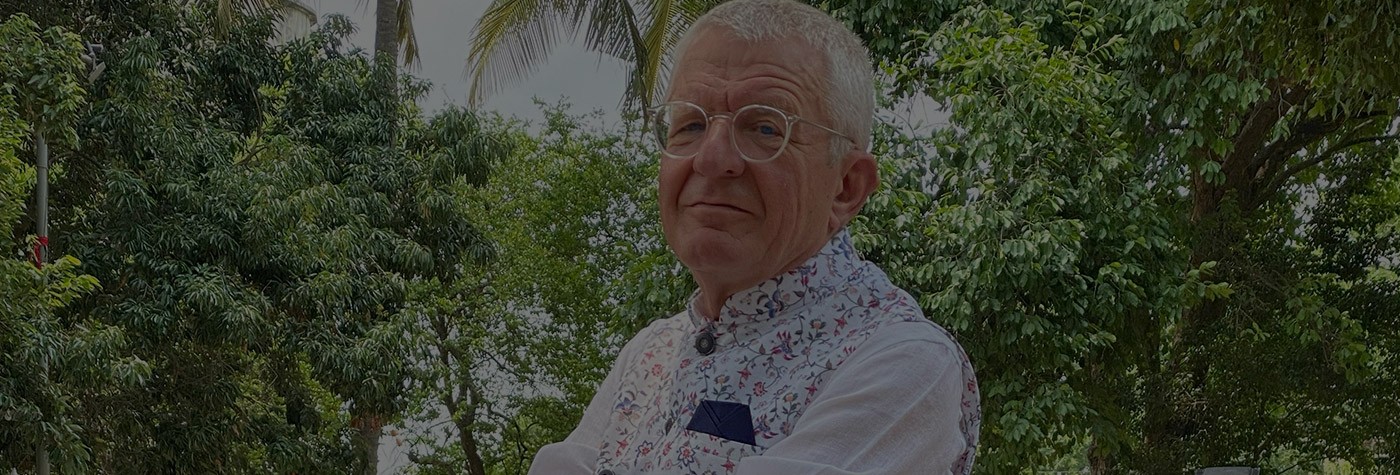
Meet Christian Leonhard, who recently returned from a traditional wedding in India, a country he has come to know over the past 30 years through both personal connections and professional ventures and reflects on his professional journey in the country.
Exploring India: A Journey of Professional and Personal Discovery with Christian Leonhard
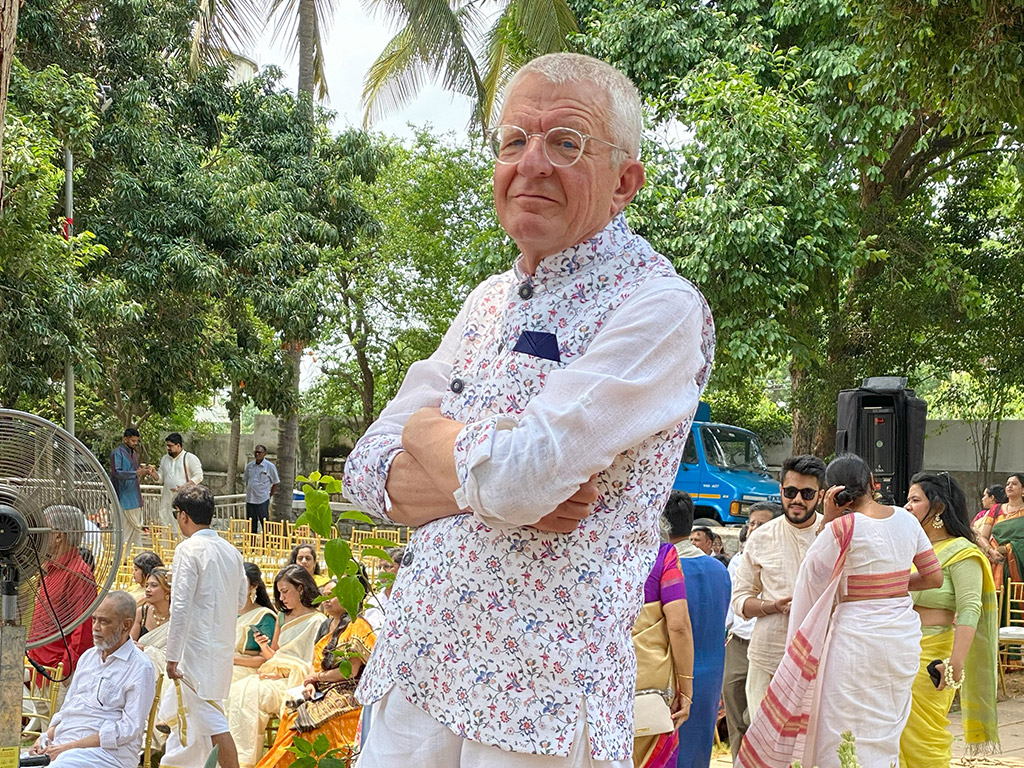
Christian, you recently returned from attending a traditional wedding in India. How did you come to be invited to such a significant event, and what was your experience like?
For more than 30 years now I have come regularly to India. In this long period of time, I have got to know many people and was fortunate to make some good friends. Three times I was invited when son or daughter of a business friend married. Twice unfortunately, I could not free up the time to fly to India. But my wife and I flew to Bangalore in May 2024 to follow the third invitation.
The experience felt like being part of a wonderful fairy tale: bride and groom dressed like royalties, women in exquisite silk sarees, men in beautiful Indian wedding attire, delicious Indian food served on banana leaves, scented flowers and exotic scenery and captivating traditional music were combined to create a feast for all senses and an atmosphere of serene happiness.



You’ve mentioned having previous professional experiences in India. Could you share a bit about those, and what draws you back to India, even for vacations?
In the early nineties, when working for the Gillette company, we wanted to launch an electric appliance business in India and set up production lines for epilators and household devices. At that time, production of electrical appliances fell under the small business scheme and investors had to cooperate with an Indian company to set up such a business. Gillette cooperated with a family-owned company called Rialto Enterprises Pvt. Ltd. from Chennai and we set up an operation with about 30 people. However, the market was not ripe for high-end electrical appliances yet, so we had to stop the business a few years later. Then, in 1998, we decided to have the same company produce cleaning brushes for electrical shavers and to export these to Europe. Due to the very competitive cost base in India, we could reduce product cost significantly and the export business grew fast. As we had introduced the bristling technology the idea was close to also produce manual toothbrushes for the Oral-B brand which was part of the Gillette company. This was very successful, particularly after P&G had acquired Gillette in 2008 and merged the oral care businesses of both companies.
For 20 years this business continued to grow. In 2023, Rialto produced more than 500 million manual toothbrushes in 400 different variants for P&G, exported to 140 countries of the world. Rialto won the “P&G External Business Partner of the Year award” (an Oscar in the P&G universe) three times in a row. It was one of a handful of suppliers, selected from the universe of P&G’s 50,000 external business partners.
Rialto Site Overview



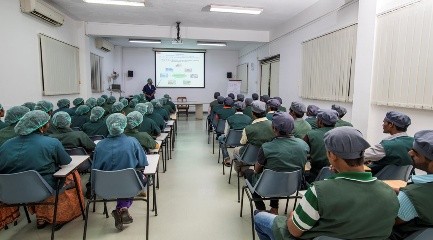
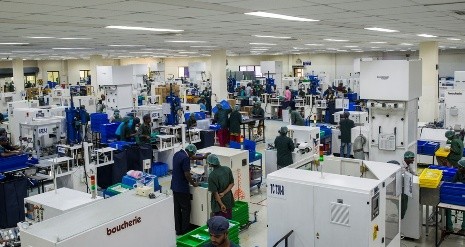
Rialto, a real success story of business in India.
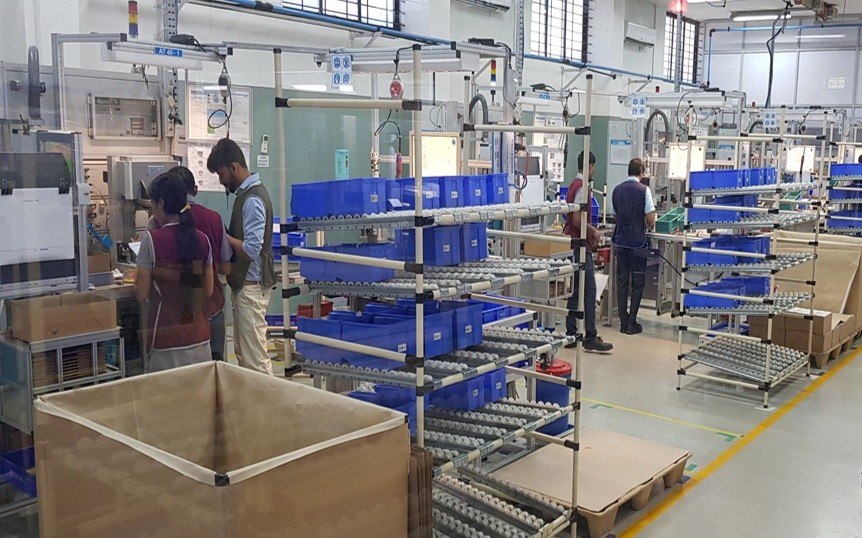
The second success story I experienced was with Festo. Having been spoilt with success in India during my time at Gillette and P&G, my intention was to repeat the same in Festo. When I joined in 2008 there was a small operation with less than 100 people in Bangalore with no clear strategy and a rather poor reputation within the organization. In a first step we hired a new management team. We developed a strategy based on export and on producing labor intense products. We relocated multiple production lines from Germany to Bangalore and developed a kind of low-cost automation, made in India, and were successful in reducing assembly times significantly. Reducing assembly times and operating in an environment of low cost resulted in a very competitive product cost for the products we exported.
But we did not only focus on relocating old product lines. We built up a R&D team, strong of 20 engineers, and started to develop a complete range of new products, based on components from suppliers we had chosen in India. We found some excellent suppliers who now supply Festo factories in Europe as well.
Festo has proved again, that there are no limits to success in India. With the right team and strategy in place and global support from a multinational organization you can get very far there.
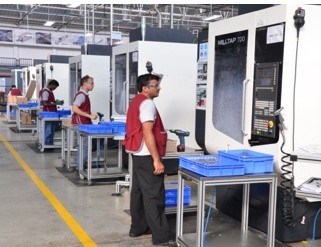
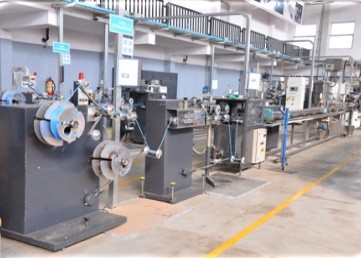
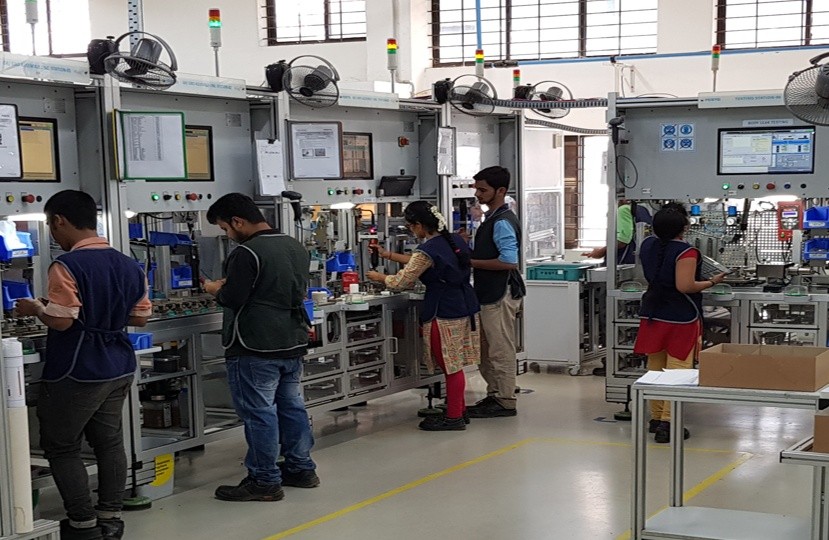
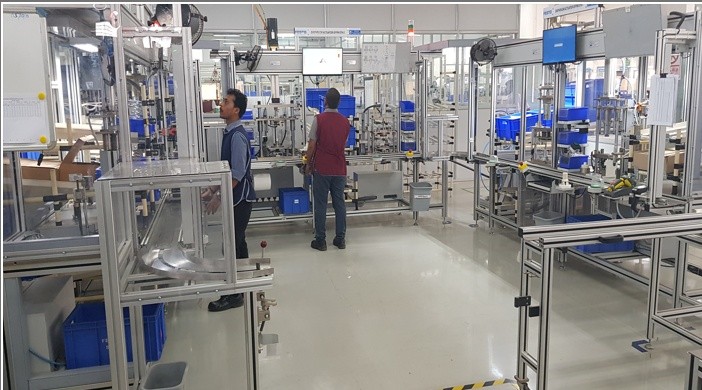
After our first vacation in the South of India in 2020, my wife and I have already returned twice to the subcontinent. We find it fascinating to explore at least a small part of this huge country with a civilization that is thousands of years old and with 28 states (and eight union territories), each boasting its own nature, culture, history, climate, language and cuisine.
Reflecting on your professional journey, what have been some key learnings or insights about doing business in India that you’ve gained over the years?
There are many ways of implementing things. Do not expect Indians of doing things exactly in the same way you would but focus on the result. Sometimes you need patience, since things might take longer than you would expect. However, once you get the right, well-trained team in place, success will follow, and it will be sustainable.
For executives looking to expand or establish operations in India, what advice would you offer based on your experiences?
Doing business in India is a “long shot”. You must have the right team in place. You need to have a long-term strategy. You need to respect the cultural differences. The head of your Indian operation should have a solid international experience. Sending expats for some years to India facilitates communication and helps developing a multinational corporate culture rather than a local one only. See your Indian operation as both an export location and an entity serving the large domestic market.
Thank you Christian for sharing your personal and professional experiences in India. Your reflections not only highlights the country’s vibrant culture and dynamic business environment but also underscores the importance of patience, cultural respect, and strategic vision in achieving long-term success.


